Instructional Design Operating Model (Startup Environment)
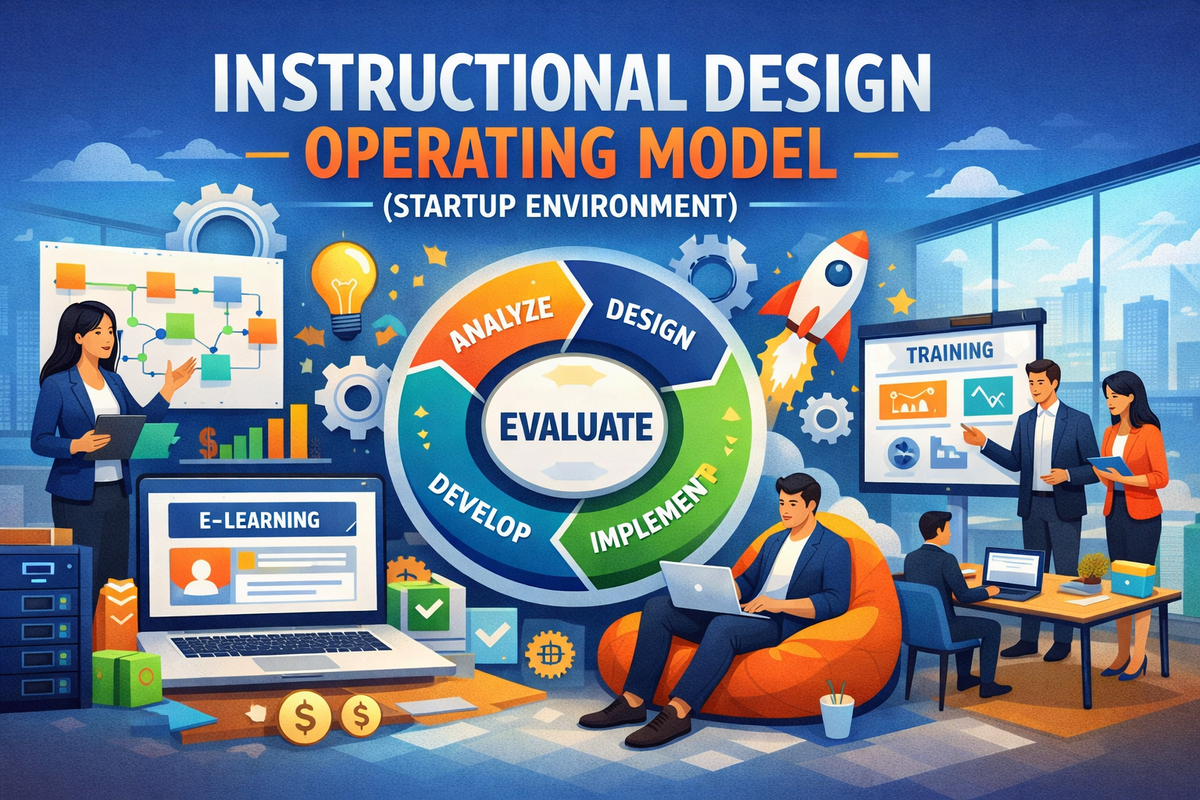
Building a complete instructional design operating model from scratch, including templates, playbooks, QA systems and onboarding, to scale course development across programs.
Context
- Instructional design function had been unable to consistently produce courses
- Previous internal team had been dissolved prior to rebuilding efforts
- New leadership brought in to increase production speed and scalability
- No existing processes, templates, standards, SME engagement model
- High demand to develop fully online programs across disciplines
The Problem
- Course development timelines exceeded one year or stalled entirely
- No standardized approach to course design or documentation
- Inconsistent quality across courses and programs
- Lack of structure for working with subject matter experts (SMEs)
- No centralized system for managing workflows, timelines or deliverables
- Teams operating reactively rather than through defined processes
My Role
As one of the first Senior Instructional Designers hired to rebuild the function, I partnered with leadership and a fellow founding designer to design and implement a complete operating model that would:
- Establish standardized templates and methodologies for course development
- Create structured workflows and documentation for all phases of development
- Develop QA systems to ensure consistency and quality
- Design onboarding, training and support for SMEs and instructional designers
- Enable scalable production across programs and teams
Approach
1. Building the Foundation (Templates and Standards)
I developed core templates for learning objectives and course outlines, module structures and lesson design, practice activities, assessments and rubrics. I created program-level frameworks to ensure consistency across courses within the same academic program.
2. Designing the Operating Model and Playbooks
I built a centralized instructional design playbook (Microsoft Loop), with which I organized workflows into clear development phases using Backward Design (e.g., objectives → outline → modules → review → launch). I documented standard operating procedures (SoPs), best practices (e.g. lesson design, objective writing) and program-specific guidelines. I established a single source of truth by linking playbook pages to centralized SharePoint template libraries.
3. Workflow and Project Management System Design
I defined timelines, milestones and turnaround expectations for each development phase. I implemented project tracking workflows using monday.com and standardized related kickoff processes, planning templates and communication structures. I transitioned the ID team from reactive, ad hoc work to a structured development pipeline.
4. QA Systems and Quality Control
I developed and implemented QA checklists across learning objectives, lessons and activities, and assessments and rubrics. I reduced inconsistencies and ensured alignment with institutional standards, accreditation requirements and program expectations.
5. SME Onboarding and Enablement
I designed SME onboarding materials, contracts and training workshops. I created guidelines, tips and expectations for working within the development model, and I standardized how SMEs contributed to course design.
6. AI Integration and Continuous Improvement
I built a shared library of AI prompts and custom GPTs for lesson drafting, rubric creation and alignment checks. I maintained and updated tools to reflect current standards and eliminate outdated practices. I continuously refined workflows based on team feedback and performance.
Impact
Institutional Impact
- Established a fully functional instructional design operation from the ground up
- Enabled scalable development across multiple academic programs
- Strengthened alignment between course design, outcomes and institutional standards
Operational Impact
- Increased production to ~50 courses developed within the first year
- Reduced development timelines to ~16 weeks per course
- Streamlined workflows by reducing unnecessary steps and improving efficiency
- Improved milestone tracking and delivery through structured project management
Quality and Experience Impact
- Improved consistency across courses and programs
- Reduced revision cycles through standardized templates and QA processes
- Achieved 89–92% positive student satisfaction ratings for course experience
- Enhanced collaboration across instructional design, faculty and academic leadership
Scale and Team Growth
- Grew from a founding team of 2 senior instructional designers to:
- 4 Senior Instructional Designers
- 6 Instructional Designers
- Dedicated Project Manager
- Collaborated across:
- Academic leadership (deans, department chairs)
- LMS, IT, and media teams
- Assessment, library, and faculty partners
Tools & Capabilities Demonstrated
- Systems design & operating model development
- Instructional design at scale
- Team building and leadership
- Process standardization & QA systems
- AI integration in production workflows
- Cross-functional collaboration