Jersey City Runners: Partnerships & Inclusive Programming
Context and Opportunity
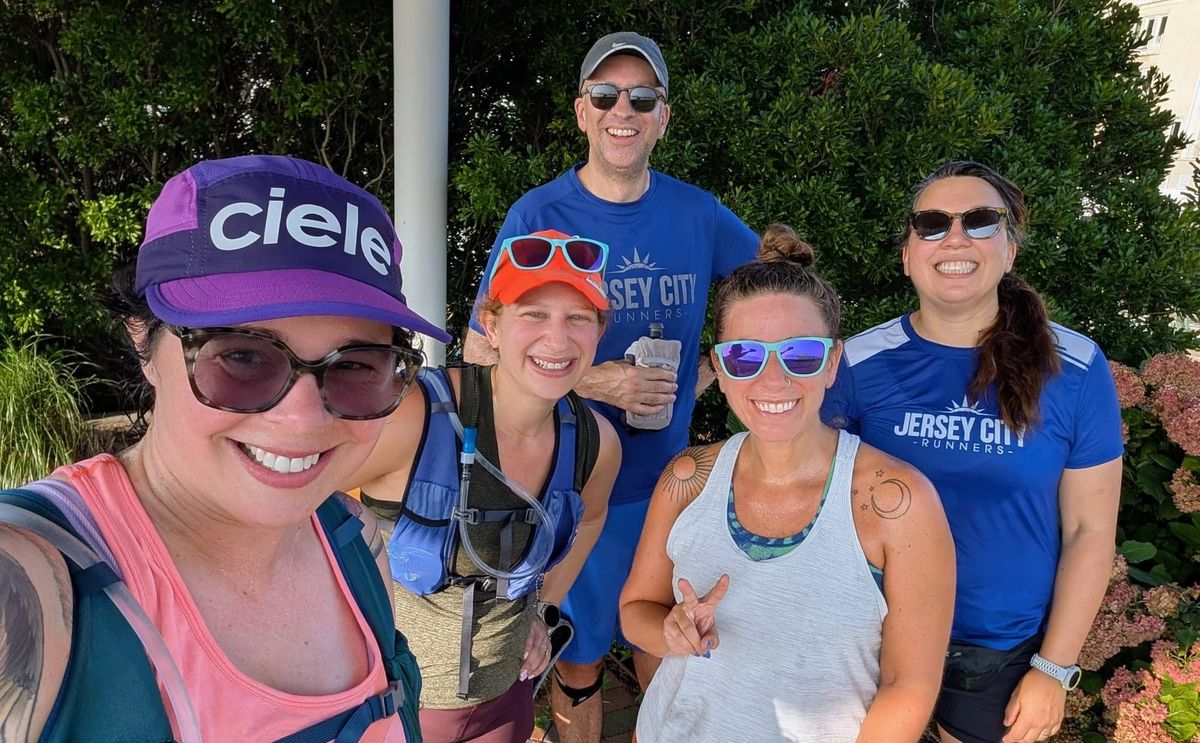
Jersey City Runners is a community-based running group with a diverse membership across experience levels, identities and goals. While participation in group runs was strong, engagement largely centered on a single format: recurring weekly runs with limited variation.
This created a gap in more intentional, inclusive programming that could better support the full range of member needs. In particular, traditional run formats can unintentionally exclude participants who:
- Are new to running or returning after injury
- Are seeking social or identity-based connection (e.g., LGBTQ+ runners)
- Want complementary training, education or wellness support
This presented an opportunity to:
- Broaden participation through more inclusive programming
- Build partnerships with local organizations
- Create a more sustainable and engaging community model
My Role
As an active community leader within Jersey City Runners:
- Designed and hosted recurring and one-off events
- Built and managed partnerships with local organizations
- Facilitated inclusive, identity-centered programming
- Coordinated logistics and communication across events
Approach
1. Expanded Programming Beyond Weekly Runs
Introduced alternative event formats to meet different needs and lower barriers to participation:
- Pride-themed runs and identity-centered meetups
- Beginner-friendly and return-to-running events ("Gossip Pace" runs)
- Social runs focused on connection rather than pace or performance
2. Built Cross-Community Partnerships
Developed collaborations with local organizations to extend reach and value:
- LGBTQ+ organizations and queer running groups
- Physical therapy offices (running injury prevention sessions)
- Barre and pilates studios (strength and mobility classes for runners)
These partnerships allowed us to offer programming that combined:
- Education (injury prevention, recovery)
- Cross-training (strength, mobility)
- Identity-based community building
3. Designed Events for Inclusion and Psychological Safety
Structured events intentionally to ensure accessibility and belonging:
- Clear communication about pace, expectations and routes
- Emphasis on no-drop runs and multiple pace groups
- Welcoming environments for first-time participants
4. Strengthened Community Engagement Through Consistency
Maintained regular cadence of events and communication to build trust and retention:
- Consistent scheduling and promotion
- Repeatable event formats that members could rely on
- Clear points of entry for new participants
Impact
- Increased participation across a broader range of experience levels and identities
- Expanded community reach through strategic local partnerships
- Created more accessible entry points for new and returning runners
- Strengthened member retention through consistent, varied programming
- Established a more inclusive and welcoming culture within the group
Selected Artifacts
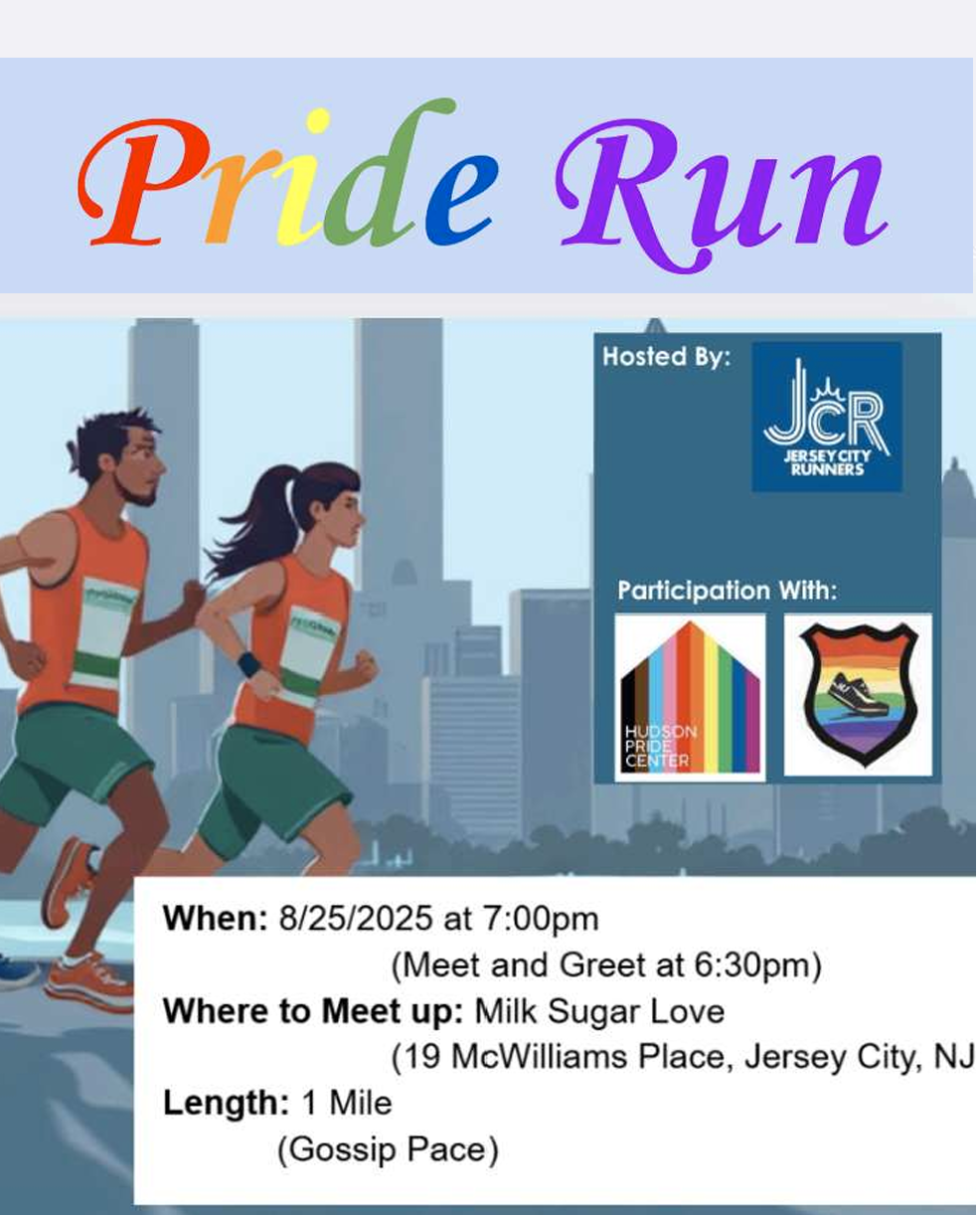
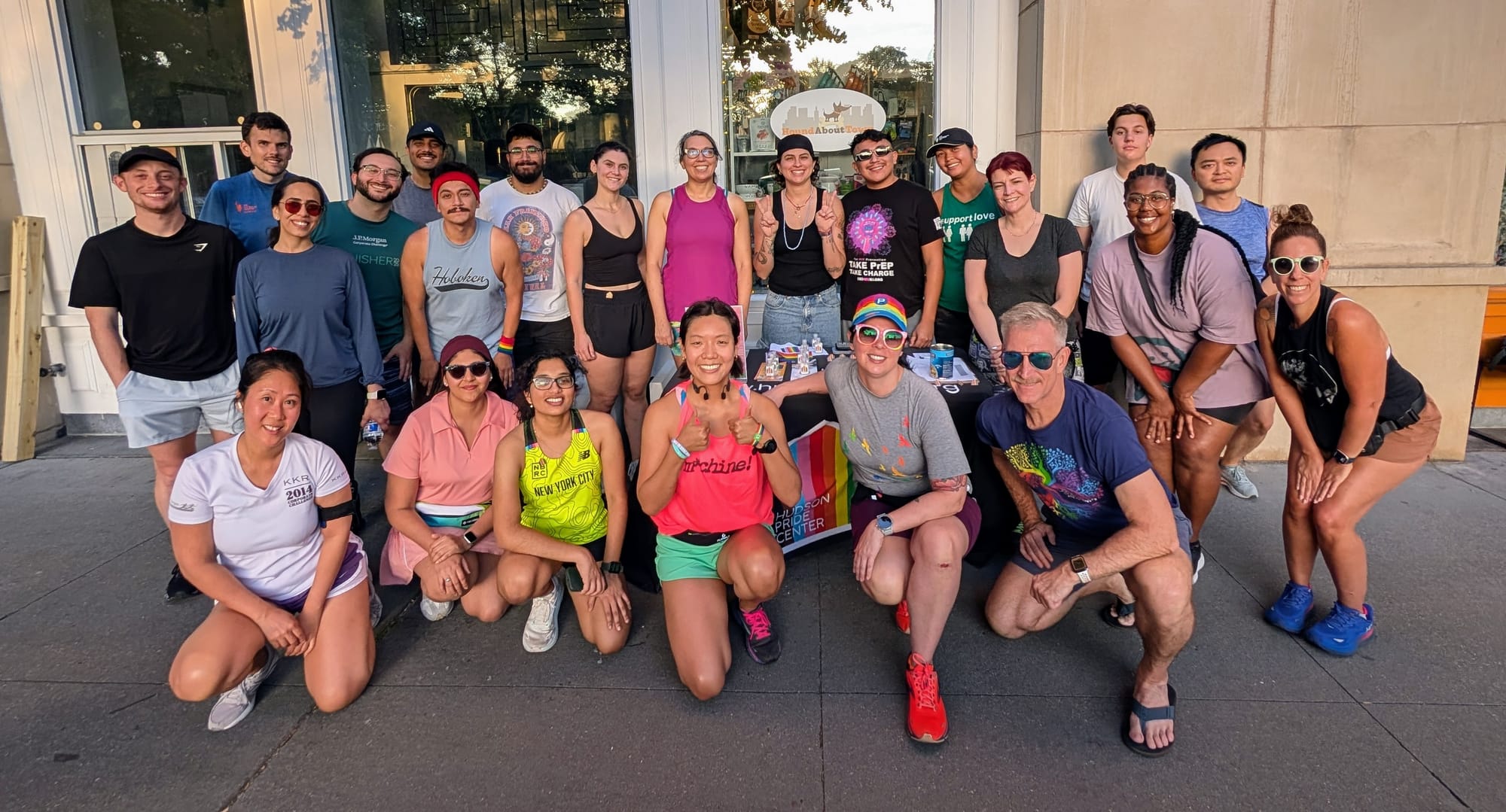
Pride run event: designed as an explicitly inclusive entry point for LGBTQ+ runners.
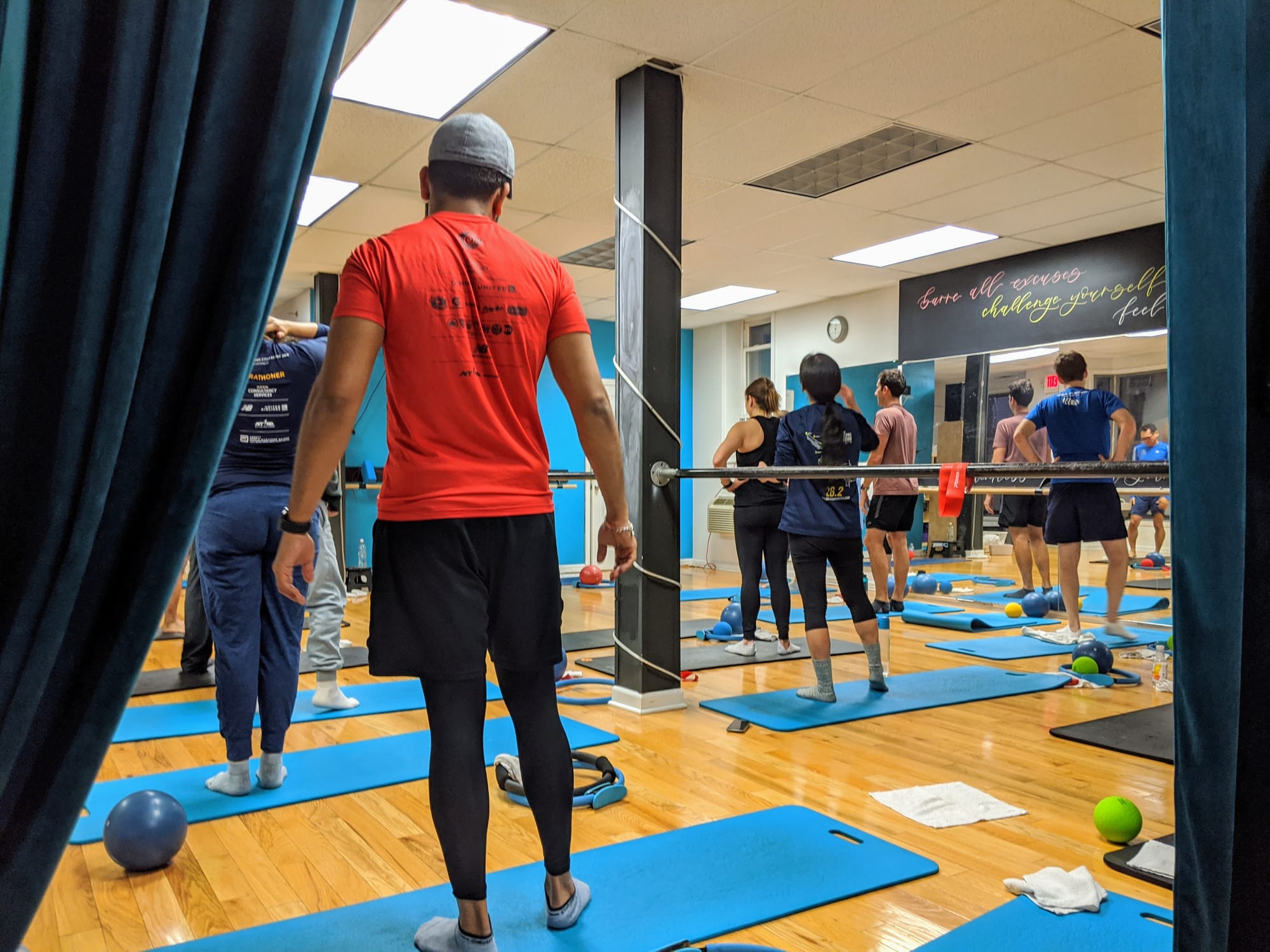
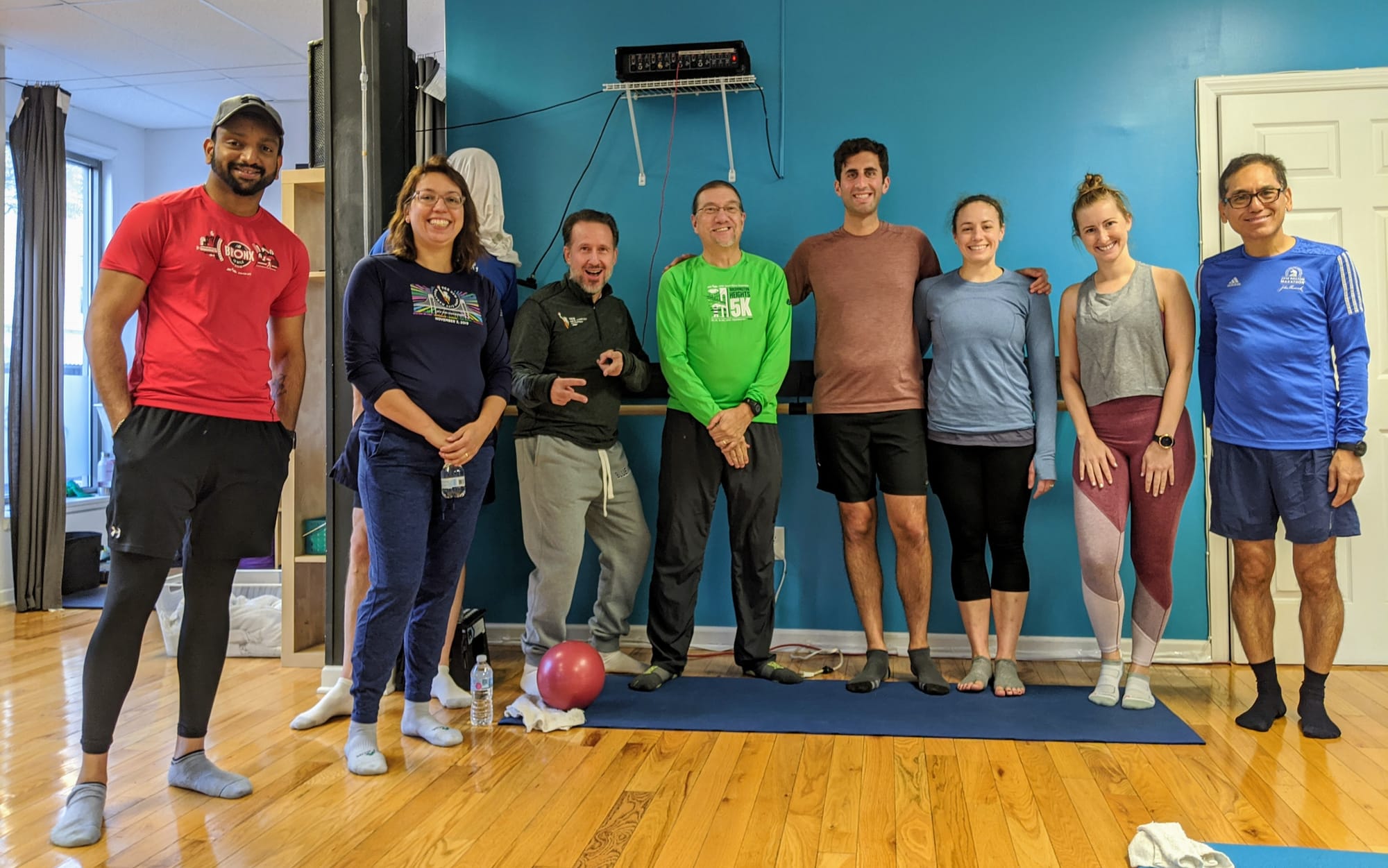
Barre for runners: partnership with a local studio integrating strength and mobility into community programming.
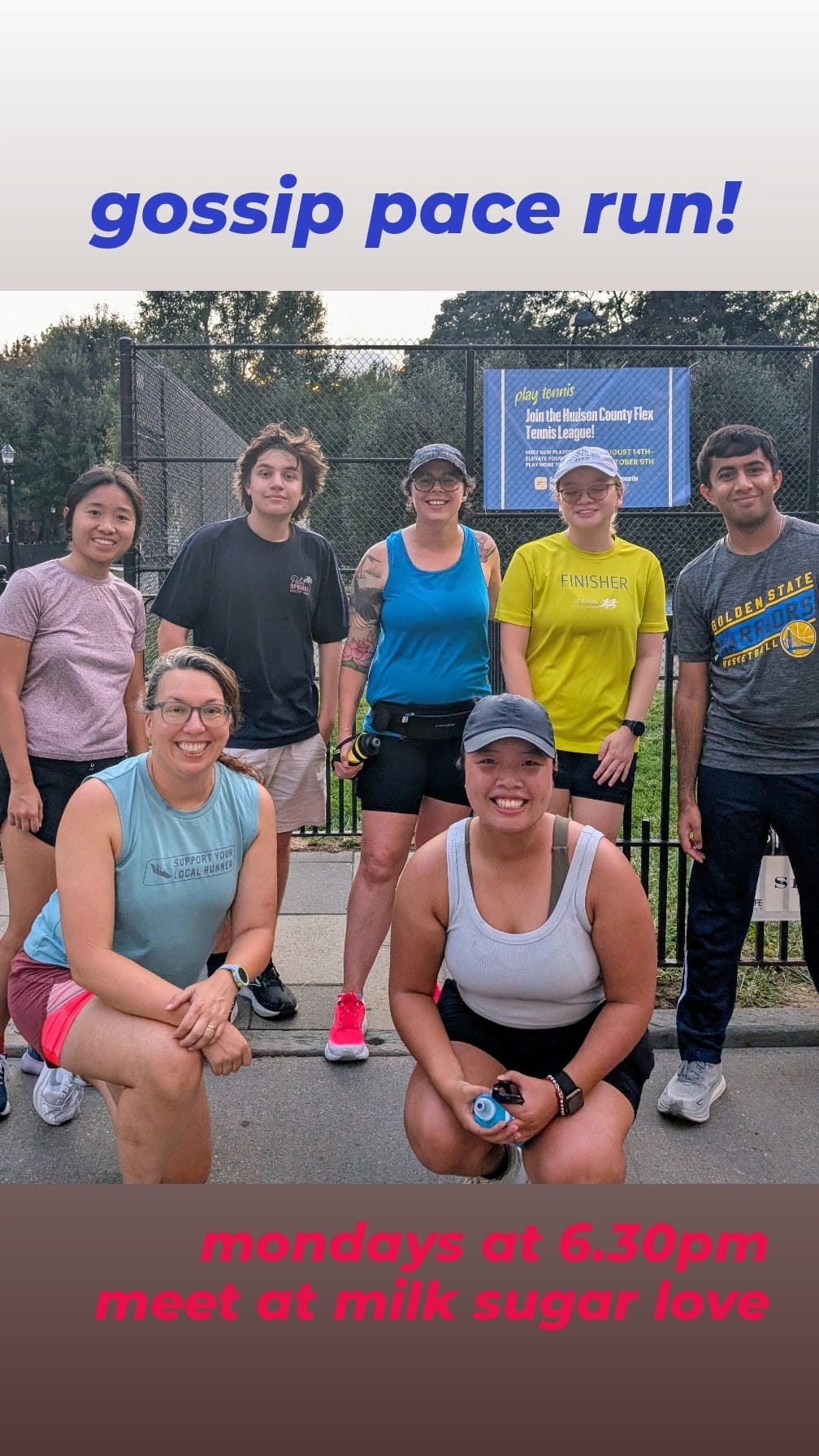
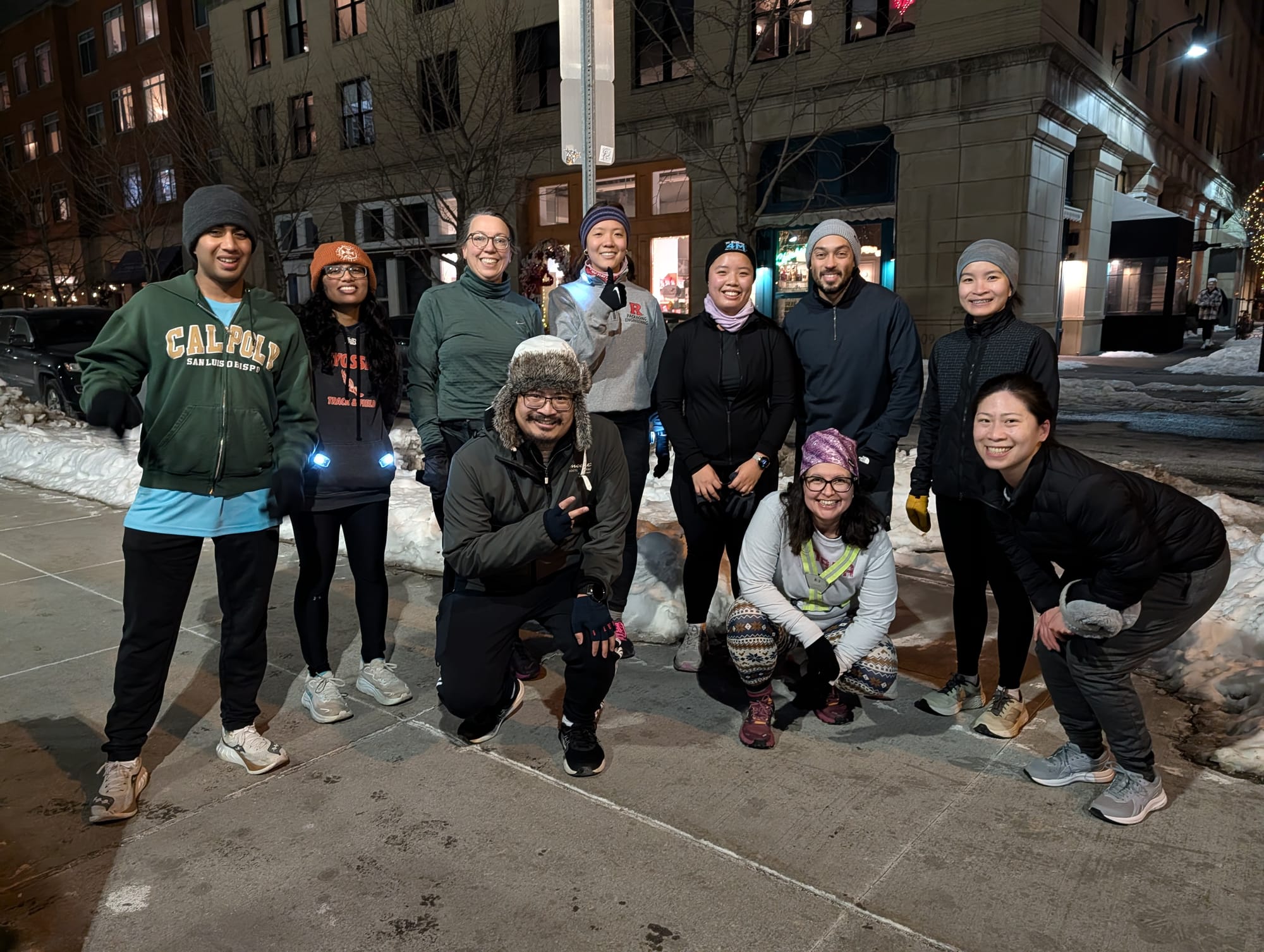
Gossip Pace run: repeatable one-mile loop format designed to lower barriers for beginners, injury return and social-first participation.