Jersey City Sapphics: Building and Scaling a Community
Context and Opportunity
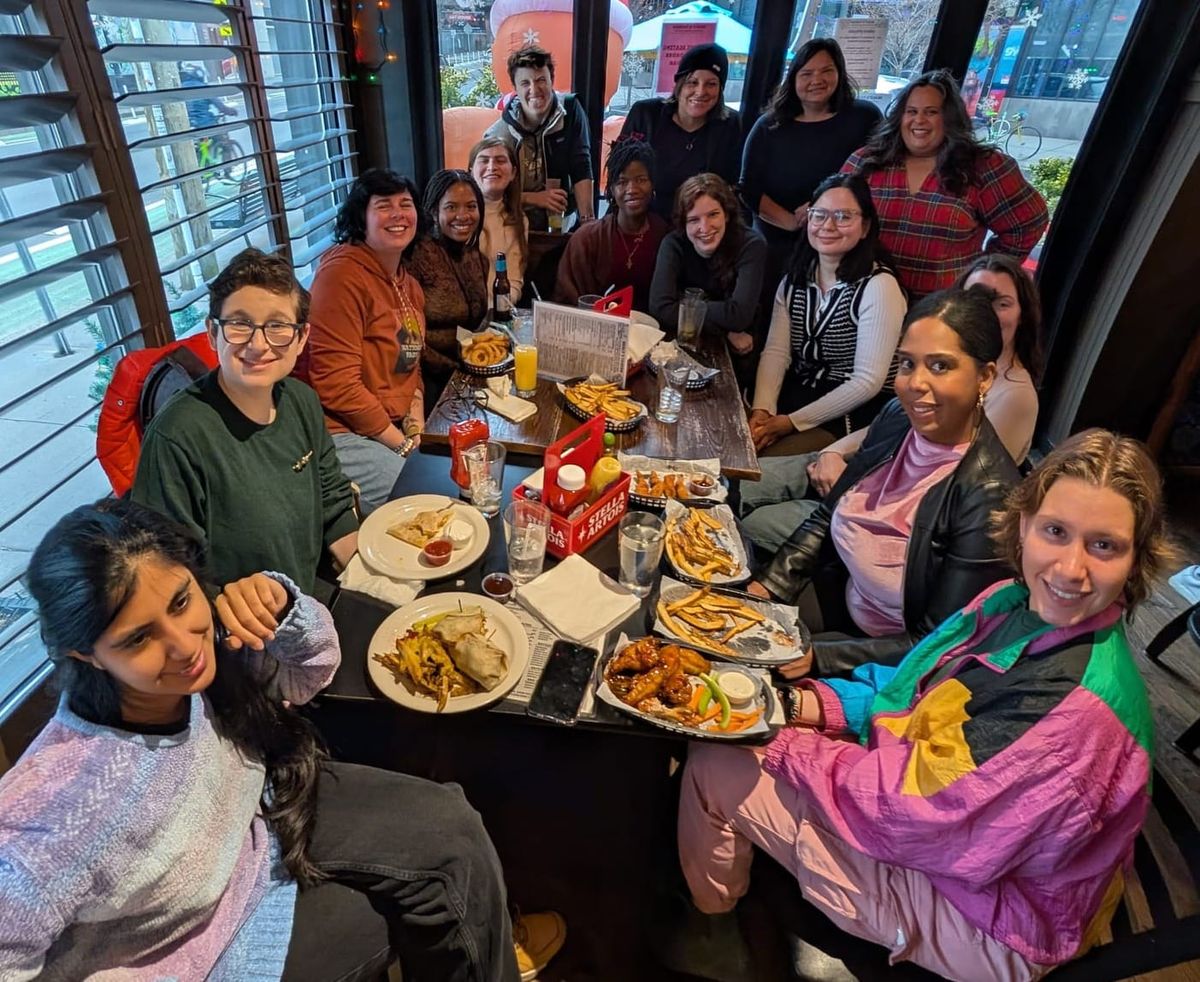
Jersey City Sapphics began as a small, informal group for queer women and sapphic-identifying people to connect locally. Early participation was limited, with no consistent structure, communication system or clear pathway for growth.
At the same time, there was a clear gap in accessible, sustained community spaces in Jersey City. Existing options were often:
- Infrequent or event-based rather than ongoing
- Centered in NYC rather than locally accessible
- Lacking structured ways to build sustained connection
This created an opportunity to build a community that was:
- Local and accessible
- Consistent and reliable
- Designed for both social connection and deeper engagement
- Scalable beyond a single organizer
My Role
I founded and led the growth of Jersey City Sapphics:
- Designing and implementing the community structure
- Selecting and managing platforms (Meetup.com, Discord)
- Planning and hosting events (in-person and virtual)
- Building leadership pathways for members
- Establishing governance and decision-making processes
Approach
1. Built Scalable Infrastructure
Established systems to support growth and consistency:
- Meetup.com for discovery and event management
- Discord for ongoing communication and community-building
- Clear onboarding pathways for new members
2. Designed for Consistent Engagement
Created a reliable cadence of programming across formats:
- Social events (crafting, meetups, casual gatherings)
- Structured outings (museums, sports events, local excursions)
- Virtual events to maintain accessibility
This ensured members had multiple ways to participate based on interest and availability.
3. Developed Distributed Leadership
Moved beyond a single-organizer model by:
- Identifying and mentoring members into event host roles
- Supporting hosts in planning and facilitating their own events
- Creating a leadership pipeline to expand capacity
4. Established Governance System
Formed an advisory council to support:
- Community decision-making
- Event planning direction
- Long-term sustainability
This created shared ownership and reduced reliance on a single leader.
5. Created Space for Civic and Community Engagement
Expanded beyond social events to include:
- Volunteer opportunities
- Local civic engagement and political activism
- Community-based initiatives
Impact
- Grew membership from ~30 to 350+ participants in under two years
- Established a sustainable, multi-platform community infrastructure
- Enabled consistent engagement through diverse event offerings
- Developed new community leaders and event hosts
- Created a model for shared governance and distributed ownership
- Fostered meaningful connection and belonging for members
Selected Artifacts
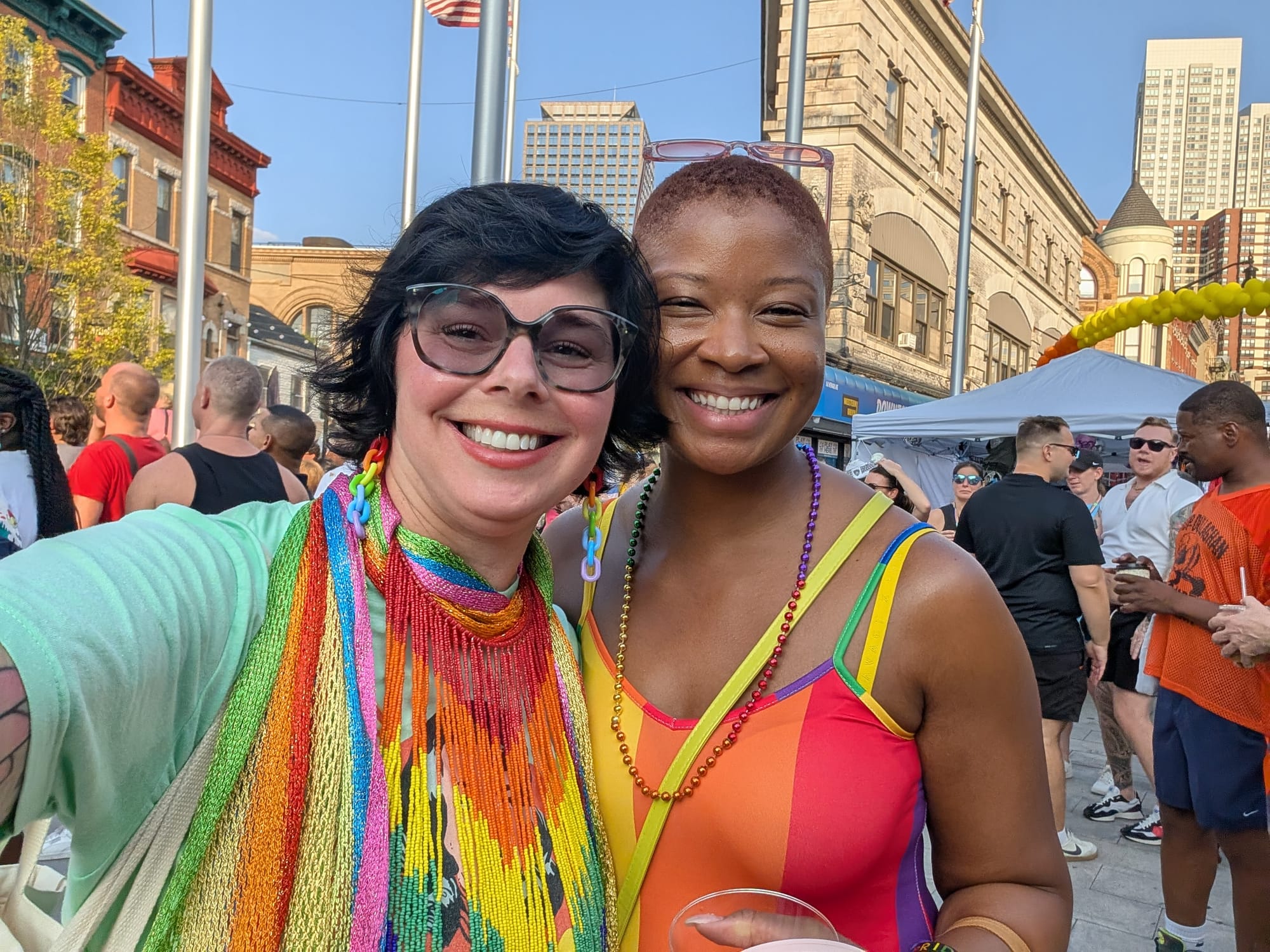
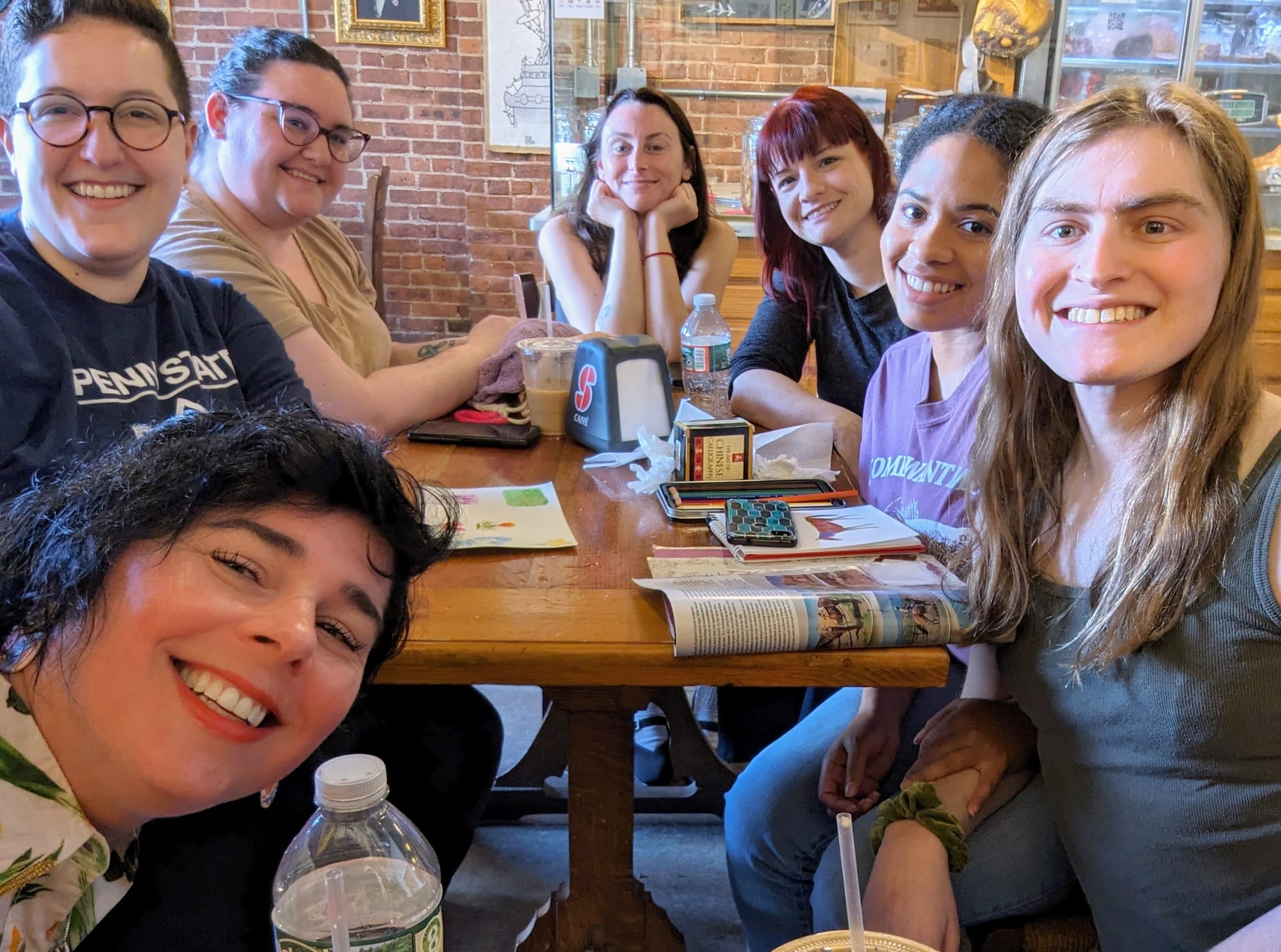
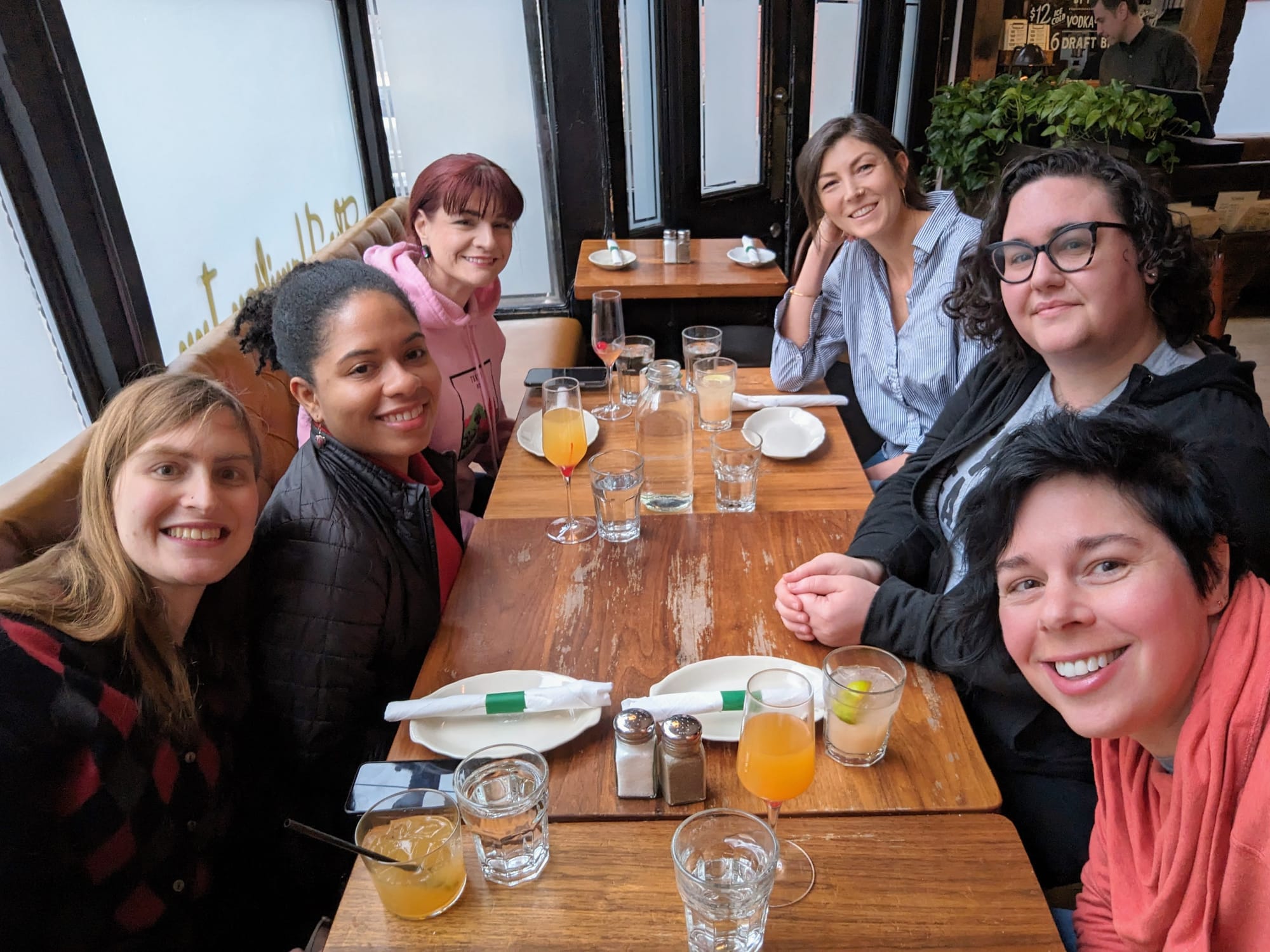
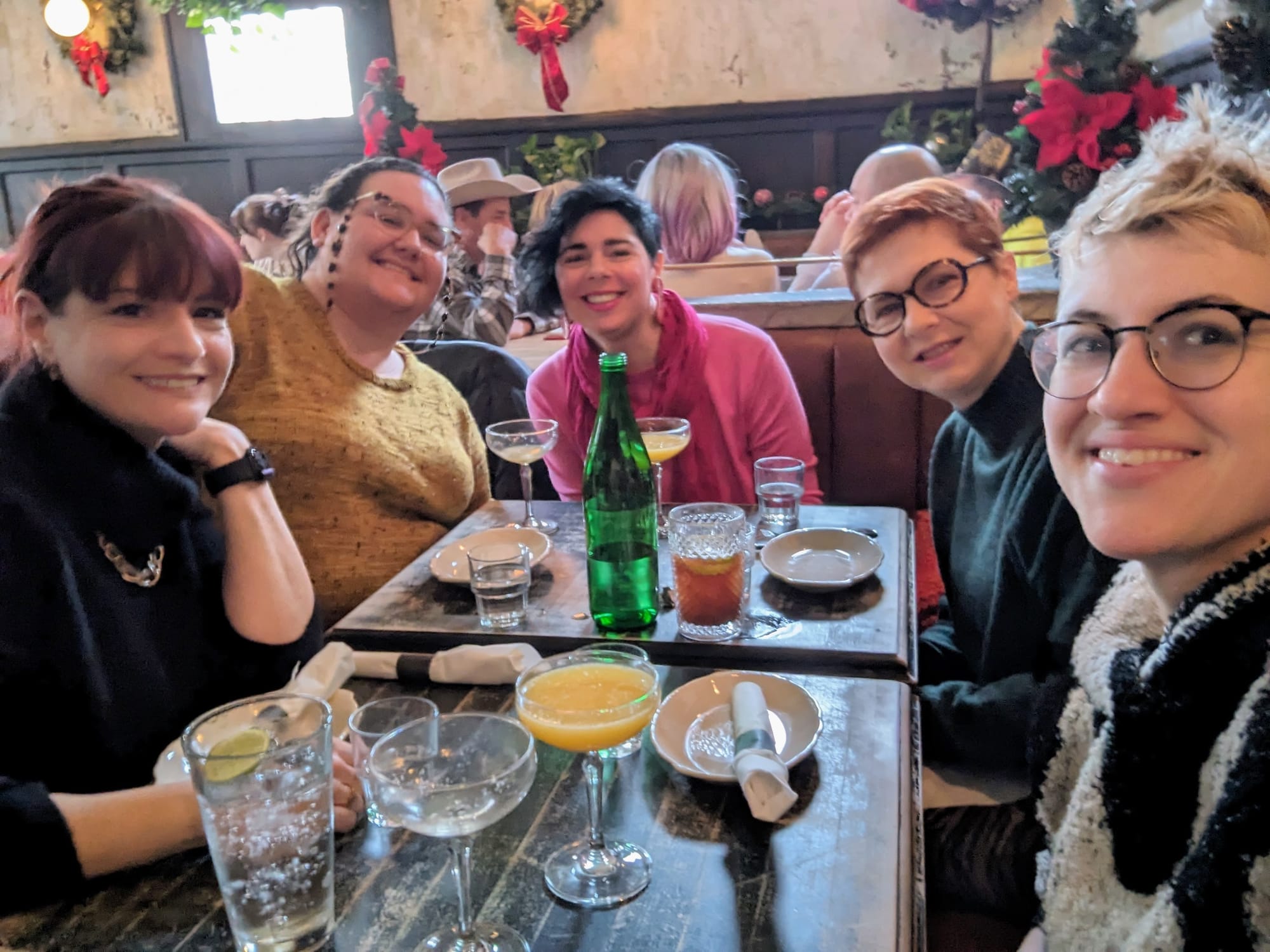
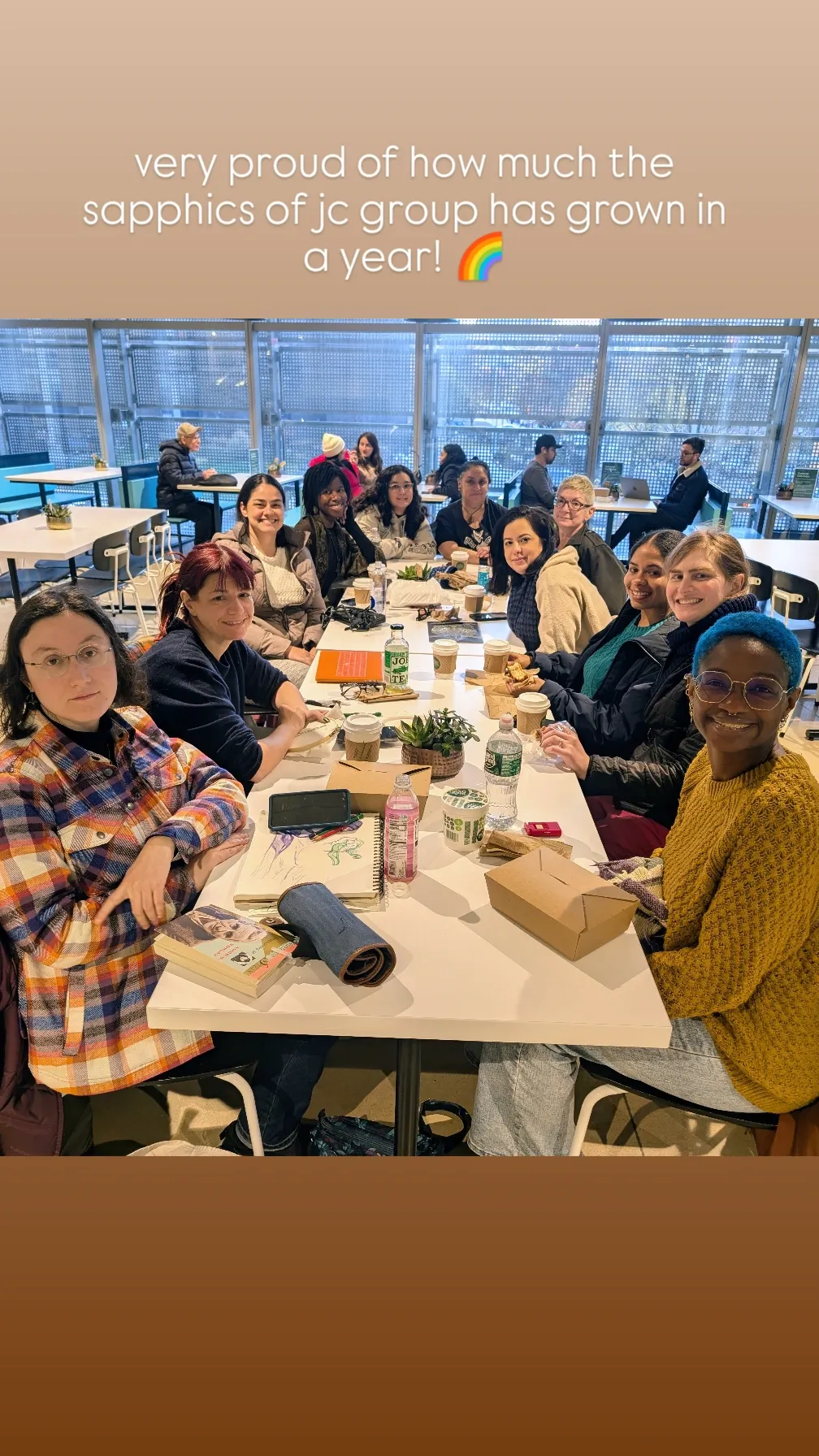
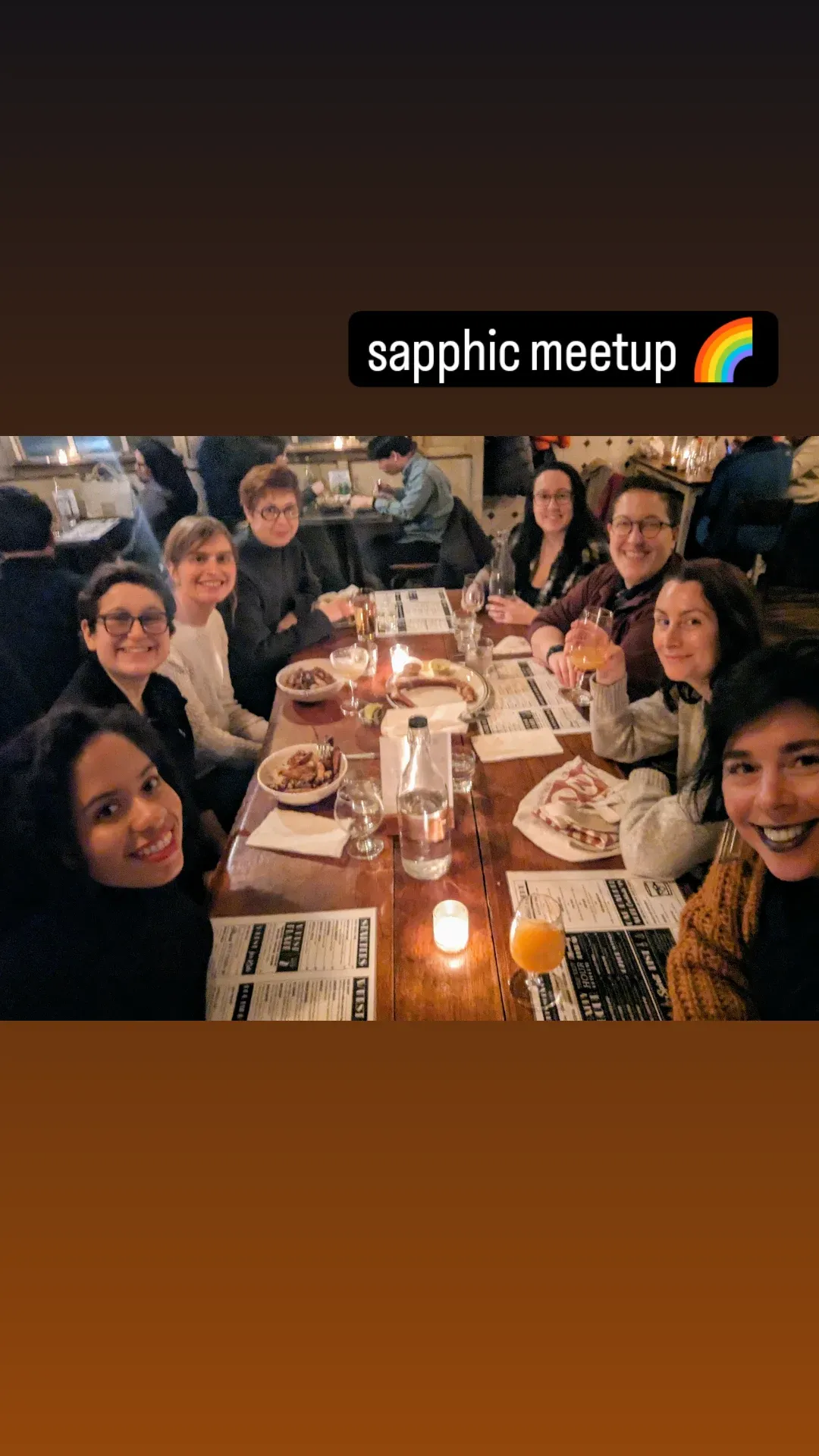
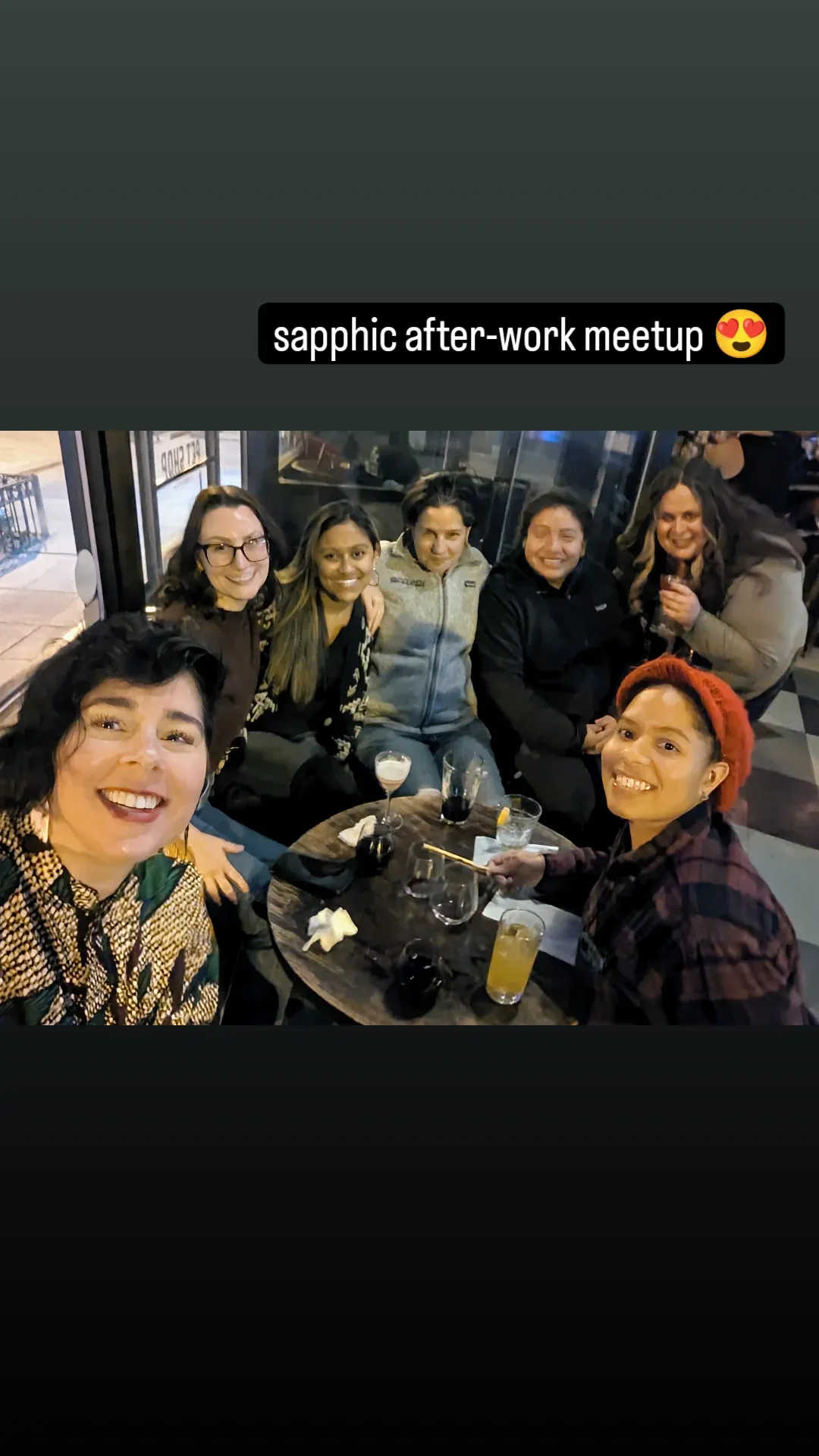
Varied event formats: a consistent programming model designed to support scale, accessibility, and sustained community engagement.